Hey everyone, if you’ve ever stopped to watch a waterjet cutting machine slice through 6-inch steel like it’s butter, or carve intricate ceramic tiles without cracking them, you might’ve found yourself wondering: what’s the hidden power behind that? Trust me, I get it—when I was first learning the ins and outs of these machines back when I started in the waterjet supply game, I was so confused by all the voltage specs thrown around, like 230V, 460V, single-phase, three-phase, and why my buddy’s 5’ x 10’ machine ran totally different from his neighbor’s smaller tabletop model. Today, I’m breaking down exactly what voltage you need for a waterjet cutting machine, no jargon, just real talk from someone who sells these things day in and day out. Waterjet Cutting Machine
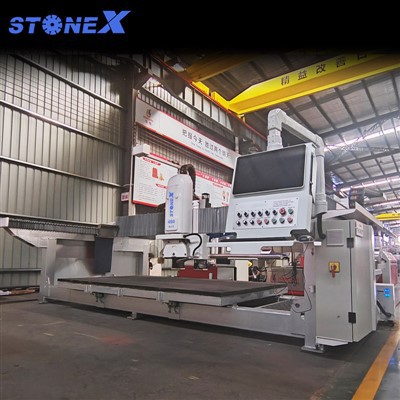
First off, let’s get one thing straight straight: waterjets aren’t one-size-fits-all when it comes to power. The voltage you need isn’t random—it ties directly to how big your machine is, what kind of cutting pressure it uses, and whether you’re running it at a shop floor or a tiny garage. Let’s start with the basics you probably already know, but let’s confirm them: voltage is the push that moves electricity through wires, and waterjets need way more oomph than your fridge or TV because they’re powering a super high-pressure pump—this is the part that squeezes water up to 55,000 PSI or higher. That pump is the heart of every waterjet, and it’s the main reason voltage matters so much.
Now, let’s talk about the two most common voltage setups you’ll see for waterjets, especially here in the US (I’ll touch on international stuff too, since we ship machines all over). Most small, entry-level waterjets—like the tabletop models for hobbyists or tiny job shops making small signs or custom parts—run on single-phase power at 230V. Wait, hold up: single-phase vs. three-phase? Let’s keep that simple. Single-phase is the standard power you get in most residential garages and small commercial spaces, it’s like one “stream” of electricity. Three-phase is what big shops, warehouses, and factories have—it’s three streams, which means it delivers power more evenly and handles way heavier loads without overheating.
So entry-level machines: yeah, they rock 230V single-phase. These are usually the 4’ x 4’ or 5’ x 5’ tables with pumps that max out around 30,000 to 40,000 PSI, perfect for cutting thin materials like acrylic, thin aluminum, or foam. They don’t need that much power to get the job done, so 230V single-phase works like a charm. I’ve sold a ton of these to people starting out—like the guy who makes custom vinyl wraps but wanted to add hard plastic or metal accents, or a small architectural shop that does small tile cuts. If you’re running one of these in a home shop or a tiny retail space where you only have 230V single-phase, that’s your sweet spot.
But here’s the thing: if you’re stepping up to a mid-sized or industrial-grade waterjet, 230V single-phase won’t cut it (pun totally intended). Those bigger machines—think 8’ x 8’ or 12’ x 10’ tables, the ones used for cutting thick steel, granite, automotive parts, or aerospace materials—need way more power, and that means three-phase voltage at either 460V or 208V. Wait, 208V is common in smaller industrial spaces that don’t have 460V, but most mid to large industrial setups go with 460V three-phase. Let me explain why this matters: a big waterjet’s pump can pull anywhere from 10 to 50 horsepower (HP) — that’s a lot of power. Running that on single-phase would cause wires to overheat, trip breakers constantly, and even damage the pump over time. Three-phase delivers a more consistent load, so it can handle that heavy HP without draining your power supply or causing safety issues.
I can’t tell you how many times I’ve had a customer come to me saying, “Wait, I have a 230V line in my shop, can I run my 10’ machine on that?” And I have to gently break the news: no, it’s not safe, and it’ll ruin the machine. Last year, a guy from a fabrication shop in Chicago tried to do that—he bought a used mid-sized waterjet on Craigslist, thought he could just plug it into his existing 230V outlet, and within a week the pump was fried. He ended up having to install new three-phase power, which cost him more than the machine’s installation, so it was a total waste. That’s why knowing the right voltage upfront is such a big deal—saves you time, money, and headaches.
Now, let’s get into international stuff, since we sell to folks in Canada, Europe, Australia, and beyond. In Europe, for example, standard single-phase for small machines is 230V too, but three-phase industrial is often 400V, and in Australia, entry-level waterjets run on 240V single-phase, while industrial ones go to 415V three-phase. The general rule across most countries is: small, low-pressure = single-phase (230V/240V), big, high-pressure = three-phase (400V/415V/460V). I always make sure to ask customers where their shop is located before we even talk specs, because voltage standards vary, and I don’t want to sell someone a machine that won’t work with their local power.
Wait a second—there’s another factor here that a lot of new buyers miss: not only does the voltage have to be right, but your power supply (the wiring, breakers, and main line to your shop) has to be able to handle it. Even if you have a 230V line, if your shop’s wiring is old or too thin, it can’t deliver enough amperage (that’s how much electricity is flowing through the wires) to the waterjet, even if the voltage is correct. For example, an entry-level 5 HP waterjet needs at least a 50-amp circuit at 230V single-phase, right? If you try to run it on a 30-amp circuit, the breaker will trip every time you turn the pump on, and you’ll get poor cutting performance. For a 20 HP industrial waterjet, you’re looking at a 40-amp three-phase circuit at 460V—way different from a small machine.
I always recommend that buyers talk to an electrician before buying their waterjet, not just to confirm voltage, but to make sure their power infrastructure is up to par. A lot of new guys think they can just unbox the machine, plug it in, and go, but that’s rarely the case. We even offer a free power assessment for our customers before delivery, because we don’t want them to be stuck when the machine arrives and it won’t work. Last quarter, a customer in Texas had a brand new shop, thought he had a 50-amp line for his entry-level waterjet, but the electrician realized he only had a 40-amp line in the outlet dedicated to that area. We worked with him to get a new circuit installed before the machine arrived, and he was cutting parts within a week—way better than him trying to use an adapter and ruining his machine.
Another common question I get: can you use a generator to power a waterjet? I get it, if you’re running a mobile waterjet for on-site work, a generator makes sense. But here’s the catch: generators need to be sized correctly for the voltage and HP of your machine. A small 5 HP entry-level waterjet needs a generator that puts out at least 10,000 watts at 230V, and industrial machines need way bigger—like 30,000 watts or more, and they have to be three-phase compatible. I’ve seen guys try to run a big industrial waterjet on a residential generator, and the power fluctuations mess up the machine’s control system, leading to bad cuts or even pump damage. If you’re going the generator route, definitely get one rated for your exact machine’s specs, and check the voltage carefully.
Wait, let’s also clear up a myth I hear all the time: “higher voltage always means more power.” No, not exactly. Voltage is about the push, but it works with amperage to give you total power (that’s watts, right? watts = volts x amps). A 230V single-phase machine pulling 50 amps is the same total power as a 460V three-phase machine pulling 25 amps, but the three-phase setup is more efficient and uses power more evenly. That’s why industrial machines use higher voltage three-phase—they get the same total power without the heavy current that would come with lower voltage single-phase. It’s safer, it’s easier on the machine, and it doesn’t drain your shop’s power supply as much.
Let’s wrap this up with some quick takeaways so you don’t have to scroll back through a million specs:
- If you’re buying a small, entry-level/tabletop waterjet (for hobby, small signs, thin parts): you need 230V single-phase power. Make sure your circuit is at least 50 amps and your electric line can handle that.
- If you’re buying a mid-sized to industrial waterjet (for thick metal, granite, automotive/aerospace parts, big jobs): you need three-phase power, usually 460V (US) or 400V/415V (international). Expect a 40+ amp circuit.
- Always check your shop’s existing power before buying—don’t just assume your garage or shop has the right voltage.
- If you’re using a generator, size it for your machine’s total wattage and make sure it’s compatible with three-phase if you have an industrial model.
- When in doubt, reach out to someone who knows waterjets (like me!) or an electrician—don’t guess, it’ll cost you.
Look, I’ve been selling waterjet cutting machines for 8 years now, and the number one mistake new buyers make is not checking their voltage first. It’s an easy thing to overlook, but it’s the foundation of your machine working properly. We’ve had customers fly cross-country to pick up a machine only to realize their shop didn’t have the right power, or order a machine online and have to pay for expensive electrical work once it arrives. That’s why we’re super upfront about voltage, we help customers figure out exactly what they need, and we never try to sell someone a machine that’s not a good fit for their power setup.
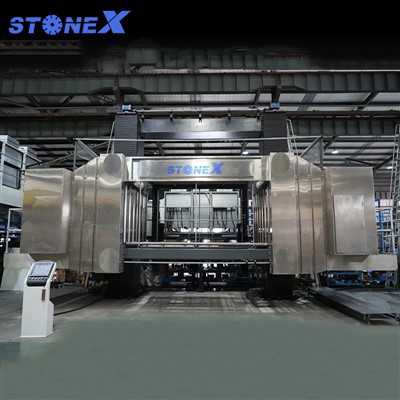
If you’re in the market for a waterjet cutting machine—whether you’re a hobbyist, a small shop looking to expand, or a big fabrication company needing industrial equipment—hit me up. We can walk you through every step, from figuring out the right voltage for your space to matching you with a machine that fits your budget and your cutting needs. No pressure, no salesy fluff, just real answers from someone who’s worked with hundreds of customers to get their waterjets up and running smoothly.
References
Block Cutting Machine Waterjet Cutting Basics, Industrial Press Inc.
Electrical Requirements for Machine Tools, National Electrical Manufacturers Association (NEMA)
Waterjet Pump Specifications, Flow International Corporation.
Nantong Huayi Intelligent Equipment Co., Ltd.
Address: Dongsheng Stone Industry Park, Changjiang Town, Rugao City, Jiangsu Province, China
E-mail: claire@hualongm.com
WebSite: https://www.hystonemachinery.com/
