If you’ve ever walked past a store window and found yourself stopping mid-step, grinning like a kid, then you know a great Christmas display isn’t just pretty—it’s the kind of thing that makes people linger, even on a rushed holiday errand. As someone who’s been in the Christmas window displays supply game for years, I’ve seen way too many people overcomplicate it: too much tinsel, random figurines stuck where they don’t belong, or that thing where every item looks like it was pulled from a different grandma’s attic. After helping hundreds of small shops and big box stores tweak their layouts, I can tell you the best way to arrange items isn’t about copying Pinterest trends—it’s about balance, storytelling, and working with what you’ve got (plus a little insider trick from a guy who’s hauled more Christmas props than I can count). Let’s break it down, no fancy jargon, just what actually works. Christmas Window Displays
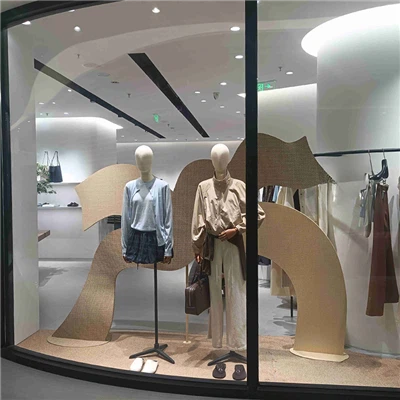
First, start with the “window flow”—like, think about how people walk past your store. Most folks move left to right, especially if it’s a street with heavy foot traffic. That means your display should guide their eyes smoothly, not make them do a U-turn to see half the scene. I see so many displays that cram all the big, loud stuff in the middle, so people walking left to right miss the left half entirely. My go-to move here is the “triangle hook”: place your biggest, most eye-catching item (think a life-sized nutcracker, a giant inflatable snow globe, or a massive Christmas tree) in the back right corner. Why? It’s the last thing someone sees before they pass the store, so it’s a perfect “call to keep walking” piece. Then, place a medium-sized item (a stack of vintage gift boxes, a table of holiday treats, or a small choir of carolers) in the front left corner. This grabs the attention of people walking toward the store, so they don’t just glance and keep going. The third point of the triangle? A smaller, fun detail (a cluster of twinkling fairy lights, a few candy canes tied to a window handle, or a tiny elf peeking behind a curtain) somewhere in the middle, not too high, not too low. It fills the gap between the two corners without making the display feel lopsided, and gives people a little “easter egg” to notice up close. Pro tip here: if your window has any existing features—like a window sill, a stained glass panel, or a scratch on the glass—work around it. If your sill is wobbly, don’t stack 10 gift boxes on it; spread them out on the back part of the window instead.
Next up, balance isn’t just about size—it’s about “visual weight.” This is the secret most people miss. Visual weight means something that’s dark, detailed, or busy looks heavier than something light, plain, or spread out. For example, a dark wooden sleigh full of stuffed reindeers has way more visual weight than a thin string of white lights. If you put that heavy sleigh all the way on the left, it’ll make the whole window feel unsteady, like it’s tipping toward the street. Instead, offset it: put the heavy sleigh on the back left, and balance it with something lighter on the front right, like a row of glossy red Christmas balls or a cloth banner that’s flowing softly. I learned this the hard way a few years back when a local bakery asked me to fix their display—they’d put a 6-foot wooden Santa on the far left, and a single wreath on the right. It looked off, no matter how many lights we added. We moved the Santa back a foot, added a small bowl of candy canes on the right, and suddenly it felt right, like a cozy scene instead of a mess. Another part of balance: don’t group all the same type of item together. If you have 5 nutcrackers, don’t line them up in a straight row like a army platoon. Spread one on the front left, one peeking behind the middle detail, and one on the back right. Mix sizes, textures, and even “vibes” a little—just not so much that it clashes. A vintage tin lantern next to a modern neon “JOY” sign works, but pairing a shiny silver reindeer with a cheap plastic snowman? That’s when things start to look messy.
Then, storytelling is non-negotiable. People don’t just want to see Christmas stuff—they want to feel like they’re stepping into a little holiday moment. Think about what your store stands for. If you’re a kids’ toy shop, your story should be about wonder: maybe a tiny elf village where elves are wrapping presents, a stuffed polar bear sitting on a sled, and a pile of wrapped toys peeking out from a tree. If you’re a boutique clothing store, your story might be about cozy holidays: a knit blanket draped over a window sill, a pair of fuzzy socks next to a mug of hot cocoa, and a small wreath made of pine and ribbon. To build that story, give every item a “job.” No random items allowed. If you add a candle, it should make sense—maybe it’s on a table next to a stack of books, or it’s lit on a windowsill next to a Christmas cookie plate. I once worked with a bookstore that kept adding random snow globes to their display, but they didn’t tie into their story. We switched to snow globes that had tiny book scenes inside (a little library, a Santa reading a book), and suddenly people stopped to look. They didn’t just see a snow globe—they saw a scene that matched what they loved about the store. Another storytelling trick: use “negative space” (the empty parts of the window) to make the scene feel real. If you cram every inch with stuff, it feels cluttered, like a garage sale. Leave a little empty space—maybe a clear spot of glass behind the middle detail, or a small gap between the sleigh and the tree. That empty space gives people’s eyes a place to rest, and makes the items around it stand out more. I know, I know—you have all these props, and you want to use them. But trust me, less is more here. A display that’s easy to take in is way more memorable than one that makes you squint to find the good stuff.
Now, the little details that make a display pop (and keep people coming back to look). Lighting is huge, and it’s not just about putting fairy lights everywhere. Warm white lights are way better than cool blue or white for Christmas—they feel cozy, like a fire inside. If you have a big item like a tree, wrap lights around it, not just string them on the outside. And use “accent lights” to highlight key parts: a small spotlight on a elf’s face, a string of lights behind a curtain to make it glow, or a light under the sleigh to make it look like it’s sitting on snow. I always tell people to test their lights before they set everything up—nothing kills a display faster than half the string of lights not working, right when the first customers walk by. Another detail: height. Don’t put all your items at eye level. Mix it up: put a small item (like a candy cane or a tiny ornament) low on the window sill, a medium item (like a wreath or a table) at eye level, and a big item (like a tree or Santa) high up, near the top of the window. This creates layers, so people can see the whole scene no matter how close or far they are. If your window is really tall, add a small hanging detail (like a snowflake or a string of ornaments) from the top of the window, but make sure it’s not in the way of people walking past. I once worked with a coffee shop that hung a giant snowflake in the middle of their window, and people kept bumping it with their bags. We moved it to the side, and suddenly it looked great, and no one had issues. Also, think about texture. Christmas is about softness, shine, warmth. Mix soft fabrics (knit blankets, velvet ribbons), shiny stuff (glossy ornaments, tin lanterns), and natural textures (pine branches, wooden sleighs) to keep the display interesting. If everything is shiny, it looks like a disco ball. If everything is soft, it looks flat. Balance those textures, and it’ll feel way more inviting.

Wait, let’s talk about mistakes I see all the time, so you can avoid them. First, don’t hang items too high. If someone has to crane their neck to see something, they’ll just walk away. I usually keep the highest items no more than 8 feet up—most people can see that without straining. Second, don’t forget the “street side” of the window. A lot of people focus on the store side, but people walking past on the street only see one side, so make sure every part of the display looks good from that angle. If you have items behind the front part, make sure they’re not blocked—you don’t want a big tree hiding your small, fun detail on the street side. Third, don’t overdo the tinsel. Tinsel is great in small doses, but if you cover every inch with it, it looks messy, like a kid dumped a box on the floor. Use it to add sparkle to a tree or a sleigh, not to cover everything. And finally, don’t be afraid to swap items out. A great display doesn’t have to stay the same all season. Maybe after Christmas Eve, switch a Santa prop out for a New Year’s sign, or add a few post-holiday items like a “Winter Clearance” banner. It keeps people coming back to see what’s new, which is good for business.
Christmas Window Displays At the end of the day, the best Christmas window display isn’t about being perfect—it’s about being you. It should tell people who you are as a store, make them feel happy, and make them want to stop and look. If you’re not sure where to start, or you’ve got a window that just doesn’t feel right, that’s where we come in. We’ve got all the props you need—from nutcrackers and sleighs to lights and tiny figurines—and we know how to arrange them so your window stands out. Whether you’re a small shop looking for a quick tweak or a big store needing a full display setup, we can help. Just reach out to chat, no fancy hoops to jump through, no stuffy sales talk. We’ve been doing this long enough to know that the best displays are the ones that feel like home, and we want to help yours feel that way too.
References
- Smith, L. (2022). The Art of Holiday Window Displays: Balancing Story and Visual Flow. Retail Design Journal.
- Lee, M. (2021). Lighting Strategies for Seasonal Window Displays. Hospitality Design Magazine.
- Carter, J. (2020). Avoiding Common Pitfalls in Small Business Holiday Merchandising. Small Retail Business Review.
- Patel, R. (2019). Visual Weight and Layout Principles for In-Store Displays. Visual Merchandising Quarterly.
Weldon Cultural Technology Co., Ltd.
As one of the most experienced christmas window displays manufacturers and suppliers in China, our products have good reputation in the market. Please rest assured to buy high quality christmas window displays made in China here from our factory. We also accept customized orders.
Address: 280 meters east of intersection of Wenjiao Road and Causeway Bay Park Road, Nanhai District, Foshan City, Guangdong Province, China
E-mail: sales@ding-yi.net
WebSite: https://www.windowdisplayprops.com/
