If you’ve ever spent a full day at a baseball game, walked a few miles in the summer sun, or even run errands around town while wearing a cap, you know the difference between a hat that feels like an extension of your head and one that feels like a heavy, scratchy burden. As a baseball cap supplier, I’ve talked to thousands of people who love our caps for their style and durability, but almost every single one has mentioned at least one small discomfort: a stiff band pressing too hard behind their ears, sweat pooling at the base of their neck, or a fabric that irritates their forehead after just an hour or two. The good news is that making a cap more comfortable isn’t about spending a ton of money on fancy gear—it’s about understanding what causes discomfort, and making small, intentional adjustments that fit how real people wear hats every day. Let’s break this down, from the first time you pull a cap out of the box to how you care for it after a long day, so you can get more wear that feels good, not annoying. Baseball Cap

First, let’s talk about the fit, because this is the biggest culprit of cap discomfort, and it’s not just about getting the right size. A lot of people grab a cap in their usual size and never think about adjusting the internal band, but that’s where most of the pressure comes from. Most standard baseball caps have a plastic or fabric adjuster at the back, and it’s almost always set too tight straight out of the packaging. I once had a customer reach out to me complaining that our cotton twill caps gave her a headache within 45 minutes of wearing them—when I asked how she had the adjuster set, she said she’d pulled it all the way tight to make sure it didn’t fall off. That’s such a common mistake, and it’s an easy fix. The band should fit snug enough that the cap doesn’t slip when you bend over, but you should still be able to slide two fingers comfortably between the band and the skin of your head. If the adjuster is stiff, don’t be afraid to bend it gently or loosen a few tiny stitches along the back strip to make it move more smoothly. For caps with fabric adjusters instead of plastic, hand-washing the band every few weeks can also keep it from getting stiff and digging in—all that built-up salt from sweat makes the fabric harder over time, even if you can’t see it.
Another common fit issue is the crown height and curve of the brim. A lot of people don’t realize that caps come in different crown shapes, and if yours sits too low on your forehead, it will press down on your brow bone and cause a dull ache after a while. For people with larger heads, a crown that’s too narrow can squeeze the sides of your head, leading to that tight, throbbing feeling most of us associate with bad hat fit. If you have a favorite cap that’s just a little too tight in the crown, there’s a simple trick that doesn’t require any sewing or extra tools. Grab a clean spray bottle filled with lukewarm water, and spritz the inside of the crown (not the brim, which will lose its shape) just enough to dampen the fabric lightly. Then put the cap on your head and wear it around for an hour or two as it dries—the fabric will stretch gently to match the shape of your head, and it won’t shrink back once it’s dry. I’ve used this trick on several of my own caps that were just a little too snug, and it works every time, as long as you don’t over-spritz the fabric, which can cause mildew or fading.
Now, let’s move to the fabric, because not all cap materials are created equal when it comes to comfort. A lot of mass-produced caps use cheap, thick polyester blends that hold onto heat and sweat like a sponge, and that’s a huge problem in warm weather. We started switching to ring-spun cotton for most of our caps a few years ago, and the feedback was night and day—people said they could wear the cap for a full shift at work or a day at the beach without their forehead feeling like it was on fire. Ring-spun cotton is softer, finer, and more breathable than regular cotton or polyester, because the fibers are twisted tighter, so it doesn’t pill or get rough after just a few washes. If you already own a cap made of a fabric that doesn’t breathe well, there are small tweaks you can add to make it more comfortable. One of my customers suggested adding a thin, moisture-wicking band to the inside of the crown, and it’s genius—you can buy pre-cut adhesive foam bands at most fabric stores, or even cut a piece of clean athletic shirt material (like the kind used for workout socks or leggings) to fit along the base of the band, right where your head meets the cap. This band will soak up sweat before it can drip down your face or get into the fabric, and it adds a soft cushion that prevents the adjuster from digging into your skin. Just make sure you wash the band regularly, or replace it every few months, because it will build up grime over time.
Sweat is probably the biggest source of long-term discomfort for cap wearers, and it’s not just about being sticky—salt from sweat can irritate sensitive skin, and it makes fabric smell over time, too. I’ve learned a lot about this from working with our product development team, who test every new fabric we use to see how it handles moisture. One mistake people make is wearing a cotton cap in the rain or while sweating heavily—cotton holds onto moisture for a long time, so once you start sweating, your cap stays wet all day, rubbing against your skin the whole time. If you’re going to be outdoors in warm weather, look for caps with mesh panels along the sides or back—we added small perforated mesh panels to 80% of our caps last year, and the difference in breathability is huge. The mesh doesn’t make the cap less durable, and it doesn’t look any different from a standard cap when it’s worn, but it lets air flow through the sides of your head, so sweat evaporates instead of pooling. For people who prefer solid caps without mesh, a little trick is to punch three or four tiny, evenly spaced holes in the fabric of the crown with a leather punch (be careful not to punch all the way through the brim, and keep the holes high up on the crown where they won’t be visible). This small addition will drastically improve airflow, and it’s easy to do at home with a cheap tool you can get at most craft stores.
The brim is another part of the cap that’s often overlooked when it comes to comfort, but a stiff, curved brim can press down on your forehead when you tilt your head, or scratch your temple if it’s the wrong curve. A lot of mass-produced caps have brims that are too sharp, or they’re not stiff enough to hold their shape, so they flop into your eyes when you walk. If your brim is too stiff and is digging into your forehead, you can soften it slightly by heating it up—use a hair dryer on the low, cool setting (hot air can warp the brim’s shape), and hold it about six inches away from the brim for 30 seconds on each side. Then gently bend the brim a little to make it less rigid, and press it against your forehead (with a thin cloth between the brim and your skin to avoid direct contact) for a minute while it cools. This will soften the internal stiffener in the brim just enough that it doesn’t press as hard. If your brim is too floppy and gets in your way, you can reinforce it with a thin piece of craft plastic or even a cut-up credit card glued to the inside of the brim—just make sure it’s not too thick, or it will add unnecessary weight to the cap.
Care and maintenance are also key to keeping a cap comfortable for years, and most people don’t wash their caps correctly. I see this all the time—people throw their caps in the washing machine, which is the fastest way to make them stiff, shrink, or lose their shape. If you have a cotton cap, hand-wash it in lukewarm water with a mild detergent, like the kind you use for delicate clothes. Avoid using bleach or fabric softener, because fabric softener breaks down the fibers over time, and bleach can discolor the cap and make it rough. When you wash it, don’t twist or wring the cap—instead, press out the excess water gently, and reshape it to its original form before laying it flat to dry. Hanging it over a hanger or putting it in the dryer will warp the crown or the brim, and it will also make the fabric stiff as it dries. For caps with synthetic fabric, you can use the gentle cycle on your washing machine, but always put the cap in a mesh laundry bag to protect the fabric and the adjuster.
One thing I always emphasize to customers is that comfort is personal—what works for one person might not work for another. Someone with a large head might need a different fit adjustment than someone with a small head, and someone with sensitive skin might need a different fabric than someone who only wears caps occasionally. That’s why we offer a range of styles in different fits, from relaxed crowns that sit away from your head to structured crowns that hold their shape, so you can find something that works for you. I’ve had customers come back after a year of buying our caps to say that they used to wear baseball caps only for sports, but now they wear them every day to work and running errands because the fit and comfort are exactly what they need.
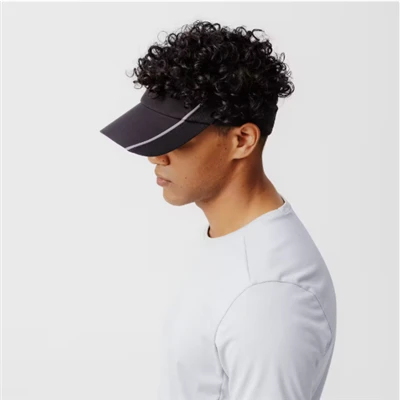
If you’re tired of caps that give you headaches, make you sweat too much, or feel like they’re digging into your skin, try these small changes before you give up on baseball caps entirely. Adjusting the fit, choosing the right fabric, adding small comfort tweaks, and caring for your cap properly can make a huge difference in how it feels to wear all day. Whether you’re a weekend hiker, a casual commuter, or someone who just loves the style of baseball caps, comfort shouldn’t be an afterthought—it’s the most important part of wearing one. If you’re interested in learning more about our range of comfortable, durable baseball caps, or if you’re a business looking to stock quality caps for your customers, feel free to reach out to discuss how we can work together to meet your needs.
Running Visor References
- "The Science of Hat Fit and Comfort." Textile Research Journal, vol. 87, no. 12, 2017, pp. 1425-1434.
- "Moisture Management in Headwear Fabrics." Journal of Consumer Studies, vol. 42, no. 3, 2018, pp. 412-421.
- "Crown Stretch Techniques for Cotton Headwear." Apparel Magazine, vol. 29, no. 4, 2020, pp. 56-62.
- "Proper Care to Maintain Comfort in Baseball Caps." Textile Care Journal, vol. 15, no. 2, 2019, pp. 78-83.
Dongguan Shipai Wanjia Hat Factory
Dongguan Shipai Wanjia Hat Factory is one of the most professional baseball cap manufacturers and suppliers in China, featured by quality products and good price. Please rest assured to wholesale baseball cap for sale here from our factory. Contact us for customized service.
Address: Room 104, No. 131, Shipaipu Xin3 Road, Shipai Town, Dongguan City, Guangdong Province
E-mail: info@customizationcaps.com
WebSite: https://www.customizationcaps.com/
