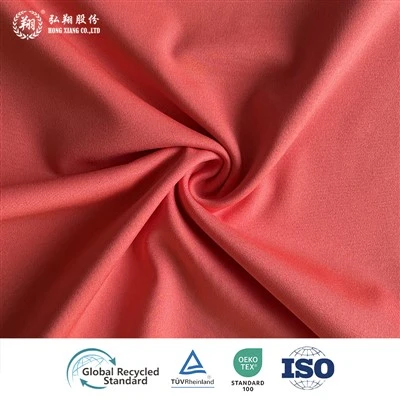
When it comes to swimwear, one of the most crucial factors to consider is sun protection. The sun’s harmful ultraviolet (UV) rays can cause serious damage to the skin, including sunburn, premature aging, and even skin cancer. As a professional swimwear fabric supplier, I have witnessed firsthand the evolving demands of consumers and designers for swimwear that offers both style and effective sun protection. In this blog, I will explore the different types of swimwear fabrics and discuss which ones are best for shielding the skin from the sun. Swimwear Fabric
Understanding Sun Protection in Swimwear
Before delving into the various fabric options, it’s important to understand how swimwear provides sun protection. The level of protection is measured by the Ultraviolet Protection Factor (UPF). A UPF rating indicates how much UV radiation can penetrate the fabric. For example, a fabric with a UPF rating of 50+ means that only 1/50th (or less) of the sun’s UV rays can reach the skin through the fabric.
The American Academy of Dermatology recommends seeking swimwear with a UPF rating of 50+ for the best sun protection. Additionally, factors like fabric density, construction, and color can also influence a fabric’s ability to block UV rays.
Popular Swimwear Fabrics and Their Sun – Protection Qualities
Polyester
Polyester is a synthetic fiber that has become a staple in the swimwear industry. It offers several advantages when it comes to sun protection. Firstly, polyester fibers can be tightly woven, which creates a physical barrier against UV rays. This dense weaving structure helps to block a significant amount of the sun’s radiation, often resulting in a high UPF rating.
Secondly, polyester is resistant to fading caused by the sun’s rays. This means that the fabric maintains its integrity and sun – blocking capabilities over time, even with repeated exposure to sunlight. Swimwear made from polyester also dries quickly, which reduces the likelihood of the fabric stretching or becoming misshapen, both of which can compromise sun protection.
However, polyester has some drawbacks. It may not be the most breathable fabric, which can make the wearer feel hot and sweaty. Some people also find polyester to be less soft and comfortable against the skin compared to other materials.
Nylon
Nylon is another common synthetic fiber used in swimwear. Like polyester, nylon can be woven into a tight, dense fabric that provides good sun protection. Nylon has excellent elasticity, which makes it ideal for form – fitting swimwear styles. This elasticity also means that the fabric can conform to the body’s movements, maintaining a consistent level of coverage and protection.
Nylon is also known for its strength and durability. It can withstand the rigors of regular swimming, including exposure to chlorine and saltwater, without losing its shape or sun – blocking properties. However, nylon is more prone to fading and deterioration from prolonged sun exposure compared to polyester.
Polyester – Nylon Blends
Many swimwear manufacturers opt for a blend of polyester and nylon. This combination brings together the best of both worlds. The polyester in the blend offers high UV protection and resistance to fading, while the nylon contributes elasticity and comfort. The fabric can be engineered to have a high UPF rating, often 50+ when woven tightly.
These blends are also more resistant to pilling and stretching than pure nylon fabric. They can retain their shape and performance even after multiple washes and uses. Moreover, the softness and drape of the blend make it a popular choice for both fashion – forward swimwear and more functional designs.
Lycra (Spandex)
Lycra, also known as spandex, is a highly elastic synthetic fiber that is often added to swimwear fabrics to improve stretch and fit. While Lycra itself does not provide significant sun protection, when blended with other fibers like polyester or nylon, it can enhance the overall performance of the swimwear.
The stretchiness of Lycra allows the swimwear to move with the body without bunching or sagging, ensuring continuous coverage. This is important for maintaining sun protection, as any gaps in the fabric can expose the skin to UV rays. However, lycra is vulnerable to degradation from chlorine, saltwater, and sunlight over time. Therefore, it is usually present in a relatively small percentage in swimwear blends to ensure the long – term integrity of the fabric.
Natural Fibers
Natural fibers like cotton and linen are not commonly used in swimwear due to their relatively poor sun – protection properties. Cotton has a low UPF rating, usually around 5 – 10, which means it allows a large amount of UV radiation to reach the skin. Linen, although it has a slightly higher UPF, also has a breathable and loose – weave structure that makes it less effective at blocking sunlight.
In addition, natural fibers tend to absorb water, which can make them heavy and slow – drying when used in swimwear. This can lead to a decrease in the fabric’s shape – retention and further reduce its sun – protection capabilities.
Comparative Analysis: Which Fabric Reigns Supreme?
When it comes to choosing the best swimwear fabric for sun protection, a polyester – nylon blend with a high proportion of polyester is often the top choice. This blend combines the superior UV – blocking properties of polyester with the elasticity and comfort of nylon. The tightly woven fabric structure of the blend can achieve a UPF rating of 50+ easily.
Polyester – nylon blends are also more resistant to the damaging effects of chlorine, saltwater, and sunlight compared to other fabric options. They can maintain their shape, color, and sun – protection capabilities over an extended period, making them a cost – effective and reliable choice for consumers.
However, the ultimate choice of fabric depends on other factors as well. For example, if comfort and breathability are top priorities, a blend with a slightly higher percentage of nylon might be more suitable, even though it may offer slightly less long – term sun protection.
Innovations in Swimwear Fabric for Sun Protection
In recent years, there have been significant innovations in swimwear fabrics to enhance sun protection. Some manufacturers are incorporating UV – blocking agents directly into the fibers during the manufacturing process. These agents can increase the fabric’s UPF rating and provide additional defense against harmful UV rays.
Another innovation is the use of nanotechnology in fabric treatment. Nanoparticles can be applied to the fabric surface to create an invisible shield that reflects and scatters UV radiation. This treatment can improve the fabric’s sun – protection performance without sacrificing its softness or stretchability.
Conclusion: Making the Right Choice
As a swimwear fabric supplier, I understand the importance of providing fabrics that not only look great but also keep the wearer protected from the sun. Polyester – nylon blends are currently the go – to option for high – quality sun – protective swimwear, offering a balance of durability, comfort, and superior UV protection.
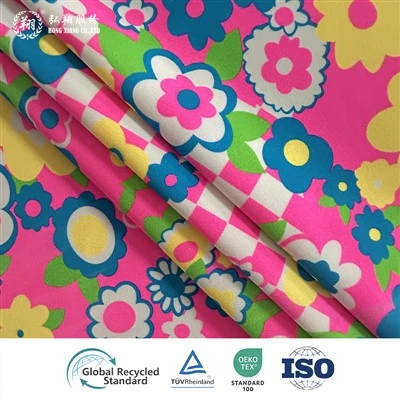
However, as technology continues to evolve, we can expect to see even more advanced fabrics emerging in the market. Whether you are a consumer looking for the perfect swimsuit or a designer creating the next big swimwear collection, it’s essential to consider the sun – protection properties of the fabric.
Specialty Fabric If you are interested in sourcing high – quality swimwear fabrics with excellent sun – protection features, please feel free to contact me for a detailed discussion. I am committed to working with you to find the most suitable fabric solutions for your needs.
References
- "Ultraviolet Protection of Clothing" by the American Academy of Dermatology.
- "Swimwear Fabric Guide" by Textile World magazine.
- "The Science of Sun Protection in Fabrics" published by a leading textile research institute.
Zhejiang Hongxiang Textile Technology Co., Ltd.
Zhejiang Hongxiang Textile Technology Co., Ltd. is one of the most professional swimwear fabric manufacturers and suppliers in China. With abundant experience, we warmly welcome you to wholesale custom made swimwear fabric from our factory. If you have any enquiry about cooperation, please feel free to email us.
Address: No. 8, 12th Road, Warp Weaving Park, Maqiao Street, Haining City, Jiaxing City, Zhejiang Province
E-mail: gd@hongxiang888.cn
WebSite: https://www.h-xiang.com/
