How to Protect Control Cables from UV Radiation
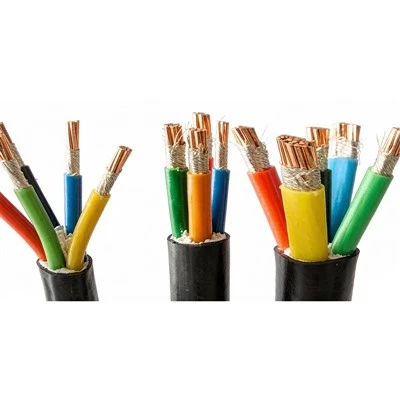
As a well – established supplier of control cables, I’ve witnessed firsthand the detrimental effects of UV radiation on cable performance. Over time, exposure to the sun’s ultraviolet rays can lead to cable degradation, which in turn can cause system failures, safety hazards, and costly replacements. In this blog, I’ll share some effective strategies to protect control cables from UV radiation, based on my years of experience in the industry. Control Cables
Understanding the Impact of UV Radiation on Control Cables
Before delving into protective measures, it’s essential to understand how UV radiation affects control cables. UV rays are a form of electromagnetic radiation with a shorter wavelength than visible light. When control cables are exposed to UV radiation, the energy from the rays can break the chemical bonds in the cable’s insulation and jacket materials.
This bond – breaking process leads to a phenomenon called photo – oxidation. In photo – oxidation, the polymer chains in the insulation and jacket materials start to degrade, causing the materials to become brittle, crack, and lose their flexibility. As the insulation and jacket deteriorate, the cable’s electrical properties are compromised, increasing the risk of short circuits, signal interference, and electrical failures.
Selecting the Right Cable Materials
One of the most effective ways to protect control cables from UV radiation is to select materials that are inherently resistant to it. When choosing cables for outdoor or UV – exposed applications, look for those with jackets made from UV – resistant polymers.
- Polyvinyl Chloride (PVC) with UV Stabilizers
- PVC is a commonly used material for cable jackets due to its good electrical insulation properties, flexibility, and cost – effectiveness. However, standard PVC is not very resistant to UV radiation. To make it suitable for outdoor use, manufacturers add UV stabilizers to the PVC formulation. These stabilizers absorb the UV energy and prevent it from reaching the polymer chains, thus reducing the rate of photo – oxidation.
- Ethylene Propylene Rubber (EPR)
- EPR is another excellent choice for UV – resistant cable jackets. It has good resistance to weathering, ozone, and UV radiation. EPR jackets are flexible, even at low temperatures, and can provide long – term protection for control cables in outdoor environments.
- Cross – linked Polyethylene (XLPE)
- XLPE is a high – performance insulation and jacket material. It has a cross – linked molecular structure that gives it excellent resistance to heat, chemicals, and UV radiation. XLPE – jacketed control cables are often used in harsh outdoor environments where long – term durability is required.
Using Protective Conduits and Raceways
In addition to selecting UV – resistant cable materials, using protective conduits and raceways can provide an extra layer of protection for control cables.
-
Metal Conduits
- Metal conduits, such as galvanized steel or aluminum, are a popular choice for protecting control cables from UV radiation. They are strong, durable, and can effectively block UV rays from reaching the cables inside. Metal conduits also offer protection against physical damage, such as impact and abrasion. However, they can be heavy and more expensive than other types of conduits.
-
Plastic Conduits
- Plastic conduits, like PVC or polycarbonate, are lightweight, easy to install, and cost – effective. Many plastic conduits are also formulated with UV stabilizers to resist the effects of sunlight. They are available in various sizes and shapes, making them suitable for different cable installation requirements.
-
Raceways
- Raceways are open – channel systems that can be used to route and protect control cables. They are often made of metal or plastic and can be surface – mounted on walls or ceilings. Raceways provide a neat and organized way to install cables while protecting them from UV radiation and other environmental factors.
Applying UV – Resistant Coatings
Another option to protect control cables from UV radiation is to apply UV – resistant coatings to the cable jackets.
- Polyurethane Coatings
- Polyurethane coatings are known for their excellent UV resistance, durability, and flexibility. They can be applied to the surface of the cable jacket to form a protective layer that absorbs and reflects UV radiation. Polyurethane coatings also provide additional protection against abrasion, chemicals, and moisture.
- Silicone Coatings
- Silicone coatings offer good UV resistance and can withstand a wide range of temperatures. They are flexible and can conform to the shape of the cable jacket. Silicone coatings also have good electrical insulation properties, which can be beneficial for control cables.
Proper Cable Installation and Routing
Proper installation and routing of control cables can also help protect them from UV radiation.
- Avoid Direct Sunlight
- When possible, install control cables in shaded areas or underground. This can significantly reduce their exposure to UV radiation. If underground installation is not feasible, consider using cable trays or conduits that are installed under eaves, overhangs, or in other shaded locations.
- Minimize Cable Exposure
- Try to minimize the length of cable that is directly exposed to sunlight. Use shorter cable runs and avoid unnecessary loops or bends that can increase the surface area of the cable exposed to UV rays.
- Proper Support and Spacing
- Ensure that control cables are properly supported and spaced to prevent them from rubbing against each other or other objects. Rubbing can damage the cable jacket, exposing the insulation to UV radiation and increasing the risk of degradation.
Regular Inspection and Maintenance
Even with the best protective measures in place, control cables still need to be regularly inspected and maintained to ensure their long – term performance.
- Visual Inspections
- Conduct regular visual inspections of the cables to check for signs of UV damage, such as cracking, brittleness, or discoloration. If any damage is detected, the cables should be replaced immediately to prevent electrical failures.
- Testing
- Periodically test the electrical properties of the control cables, such as insulation resistance and capacitance. Changes in these properties can indicate cable degradation due to UV radiation or other factors.
- Cleaning
- Keep the cables clean and free of dirt, debris, and contaminants. These substances can absorb UV energy and accelerate the degradation process. Use a mild detergent and water to clean the cable jackets, and avoid using abrasive cleaners that can damage the surface.
Conclusion
Protecting control cables from UV radiation is crucial for ensuring their long – term performance and reliability. By selecting the right cable materials, using protective conduits and raceways, applying UV – resistant coatings, installing and routing cables properly, and conducting regular inspection and maintenance, you can significantly extend the lifespan of your control cables.
Specialty Cables As a control cable supplier, I am committed to providing high – quality cables and expert advice on cable protection. If you are in the market for control cables or need more information on protecting them from UV radiation, I encourage you to reach out to me for a detailed discussion. We can explore the best solutions for your specific application and ensure that your control cable systems operate safely and efficiently for years to come.
References
- "Electrical Engineering Handbook", Third Edition, edited by Richard C. Dorf.
- "Cable Engineering for Communication Networks" by John A. C. Bingham.
- Technical literature from cable manufacturers on UV – resistant cable materials and coatings.
Anhui Yuantong Cable Co., Ltd.
As one of the most professional control cables manufacturers and suppliers in China, we offer a wide range of cables with superior quality. Please feel free to wholesale bulk customized control cables from our factory. Also, pricelist is available.
Address: Yongfeng Industrial Park, Tianchang City, Anhui Province
E-mail: ahytcable@126.com
WebSite: https://www.yuantongcable.net/
