Hey there, fellow refrigeration enthusiasts! I’m a supplier of hand fill molecular sieve, and today I wanna dig deep into how this nifty little thing works in refrigeration systems. Hand Fill Molecular Sieve
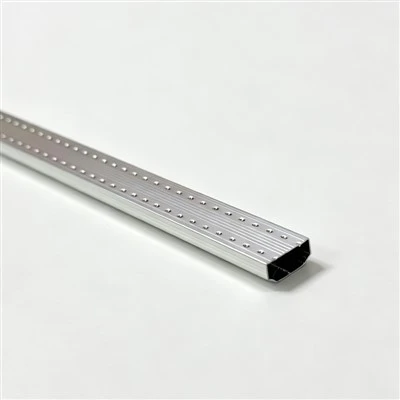
Let’s start with the basics. You might be wondering, what on earth is a molecular sieve anyway? Well, it’s a super – absorbent material with tiny pores. These pores are so small that they can selectively trap certain molecules based on their size and shape. In the context of refrigeration, the main job of a molecular sieve is to get rid of moisture and other contaminants from the refrigerant system.
The Role of Moisture in Refrigeration Systems
Moisture is like the arch – enemy in a refrigeration system. When water gets into the system, bad things start to happen. First off, at low temperatures, water can freeze and form ice. This ice can block small passages in the expansion valve or the capillary tube. When that happens, the refrigerant flow is restricted, and the cooling capacity of the system drops significantly.
Secondly, water can react with the refrigerant and the lubricating oil in the compressor. In some refrigerants, like HCFCs and HFCs, water can cause hydrolysis. This chemical reaction breaks down the refrigerant into acids. These acids can corrode the metal parts inside the compressor, such as the pistons, bearings, and the motor windings. Over time, this corrosion can lead to compressor failure, which is a huge headache and can cost a fortune to fix.
How Hand Fill Molecular Sieve Cuts In
That’s where our hand fill molecular sieve steps in. The "hand fill" part means that it’s easy for technicians to add it to the system. Usually, it’s placed in a filter drier, which is a component in the refrigeration system dedicated to removing contaminants.
The molecular sieve has a special crystal structure. It’s like a microscopic honeycomb with pores that are just the right size to trap water molecules. When the refrigerant flows through the filter drier containing the hand fill molecular sieve, the water molecules are attracted to the surface of the sieve and get stuck in those tiny pores. It’s almost like a sponge soaking up water, but on a much smaller and more selective scale.
But it’s not just water that the molecular sieve can trap. It can also capture other small – sized contaminants like acids and some hydrocarbons. This helps keep the refrigerant clean and pure, which in turn ensures the smooth operation of the entire refrigeration system.
Adsorption Process
The process by which the molecular sieve traps these contaminants is called adsorption. It’s different from absorption. In absorption, a substance is taken inside another material and becomes a part of its bulk. In adsorption, the molecules just stick to the surface of the adsorbent (in this case, the molecular sieve).
The adsorption of water and other contaminants on the molecular sieve is an exothermic process. That means it releases heat. So, when the refrigerant flows through the filter drier and the molecular sieve starts adsorbing water, a little bit of heat is generated. This isn’t a big deal in most cases because the amount of heat is relatively small compared to the overall heat transfer in the refrigeration system.
Regeneration
Over time, the molecular sieve will get saturated with contaminants. Once it reaches its saturation point, it won’t be able to trap any more water or other molecules. But here’s the cool thing: the hand fill molecular sieve can be regenerated. Regeneration is the process of removing the adsorbed contaminants so that the sieve can be used again.
The most common way to regenerate a molecular sieve is by heating it. When you heat the sieve to a high enough temperature (usually around 250 – 300 degrees Celsius), the adsorbed water and other contaminants are released from the pores. After that, you can cool the sieve down, and it’s ready to be used in the refrigeration system again.
Advantages of Hand Fill Molecular Sieve
One of the major advantages of using hand fill molecular sieve is its flexibility. Technicians can easily adjust the amount of sieve added to the system based on the specific requirements of the refrigeration unit. For example, in a small domestic refrigerator, a smaller amount of sieve might be sufficient. But in a large commercial refrigeration system, a larger quantity can be added to ensure thorough moisture removal.
It’s also cost – effective. Since it can be regenerated and reused, it reduces the long – term cost of maintaining the refrigeration system. And let’s not forget about its high efficiency in removing contaminants. With a properly selected and installed hand fill molecular sieve, you can significantly extend the lifespan of your refrigeration equipment.
Selecting the Right Molecular Sieve
When it comes to choosing the right hand fill molecular sieve for a refrigeration system, there are a few factors to consider. First is the pore size. Different molecular sieves have different pore sizes, and you need to select one that can effectively trap the contaminants present in your particular refrigerant system.
The type of refrigerant used is also crucial. Some refrigerants have different chemical properties and react differently with the molecular sieve. For example, if you’re using a natural refrigerant like propane, you might need a different type of sieve compared to when using a synthetic refrigerant like R – 410A.
The operating conditions of the refrigeration system, such as temperature and pressure, also play a role. A sieve that works well under low – temperature conditions might not be as effective at high temperatures.
Tips for Installation
Installing hand fill molecular sieve is a relatively straightforward process, but there are a few tips to keep in mind. First, make sure the filter drier is clean before adding the sieve. Any dirt or debris inside the filter drier can reduce the effectiveness of the sieve.
When filling the sieve, be careful not to over – fill or under – fill the filter drier. An over – filled drier can restrict the refrigerant flow, while an under – filled one won’t be able to remove enough contaminants.
Also, seal the filter drier properly after filling the sieve. A loose or leaky seal can allow moisture and contaminants to enter the system, defeating the purpose of using the molecular sieve.
In Conclusion

So, there you have it! Hand fill molecular sieve is a crucial component in refrigeration systems. It helps keep the refrigerant clean, prevents moisture – related problems, and ultimately ensures the smooth and efficient operation of your refrigeration equipment.
Line Steel Connector If you’re in the market for a high – quality hand fill molecular sieve for your refrigeration system, I’d love to have a chat with you. We have a wide range of molecular sieves to suit different needs and can provide you with the best solution for your specific requirements. Reach out to me, and let’s get your refrigeration system working at its best!
References
- "Refrigeration and Air Conditioning Technology" by William C. Whitman, William M. Johnson, and John A. Tomczyk.
- "Handbook of Molecular Sieves" by Ralph W. Breck.
Renqiu City Xinjian Metal Products Co., Ltd.
Renqiu City Xinjian Metal Products Co., Ltd. is one of the most professional hand fill molecular sieve manufacturers and suppliers in China. With abundant experience, we warmly welcome you to wholesale customized hand fill molecular sieve from our factory. If you have any enquiry about free sample, please feel free to email us.
Address: Caicun Dajie Village, Changfeng Town, Renqiu City, Hebei Province China
E-mail: melody@xinjianmetal.com
WebSite: https://www.xjglassspacer.com/
