If you’ve ever spent 10 minutes digging through a closet to find a single holiday decoration, or wrestled with a stack of rigid plastic bins that take up half your garage when you’re not using them, you’ve probably daydreamed about a storage solution that’s both practical and easy to stow. For the past seven years, I’ve run a small but dedicated foldable storage box supply company, working directly with residential customers, small business owners, and even office managers who’ve outgrown clunky, one-size-fits-all storage options. Over that time, I’ve tested dozens of brands, talked to hundreds of people about what they actually need from a foldable storage box, and learned that “the best brand” isn’t just about sleek packaging or a low price tag—it’s about balancing durability, design, and real-world usability. Let’s break down what matters most, and what I’ve found to stand out from the crowded market. Foldable Storage Box
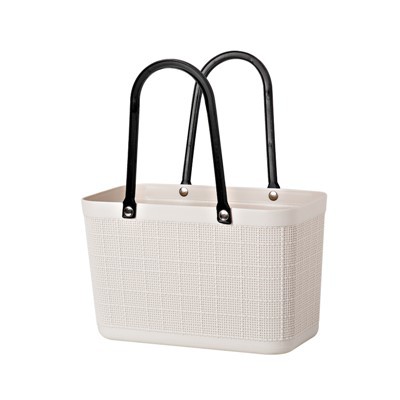
First, let’s cut through the noise: not all foldable storage boxes are created equal. A lot of budget brands out there use thin, flimsy fabric that rips if you overload it, or rigid plastic edges that break after a single fold and unfold cycle. A few years back, we had a customer reach out who’d bought a set of generic foldable boxes from a big-box store: she’d used them to store kids’ winter clothes for one season, and when she tried to collapse them the next summer, half the fabric seams had split and the plastic frames bent so badly they wouldn’t fold flat at all. That’s the mistake many shoppers make: they see “foldable” as a single feature, not a core part of the box’s design. The best foldable boxes need to hold their shape when full, fold completely flat when empty, and last for years of being moved, stacked, and stored.
When I’m evaluating brands—either for my own supply or to recommend to customers—I start with three non-negotiables: material quality, functional design, and customer-centric testing. Let’s start with materials, because that’s where most brands cut corners. Good foldable storage boxes need a base that’s sturdy enough to hold 20 to 30 pounds of clothes, linens, or office supplies, but flexible enough to fold flat. Many premium brands now use a reinforced non-woven polypropylene fabric, which is more durable than cheap polyester, resists water stains, and doesn’t stretch out of shape over time. The internal frame is also make-or-break: cheap brands use flimsy wire that rusts or bends, while top brands use either rigid plastic (good for light to medium loads) or reinforced steel wire (ideal for heavier items like books or tools). A few brands even offer UV-resistant coatings, which is a huge plus for anyone storing boxes in a garage, basement, or attic where they’ll be exposed to dust, moisture, or sunlight.
Next is design, and this is where brands really differentiate themselves. A great foldable storage box should have features that solve actual pain points, not just look nice. For example: do the handles sit flush so they don’t catch on other items when folded? Do they have a lid that’s secure enough to keep dust out, but easy to remove when you need to grab something fast? Many of the top brands I work with now offer modular designs that stack neatly on top of each other—no gaps, no wobbling—whether you’re putting them in a closet, a pantry, or a storage unit. Some even have semi-transparent sides so you can see what’s inside without opening every box, which is a small detail that saves tons of time when you’re looking for something specific. I also value brands that offer consistent sizing; nothing is more frustrating than buying a box that’s supposed to fit on a standard shelf, only to realize it’s an inch too tall or too wide.
Wait, but what about price? I know that’s a big factor for most people. It’s true that premium foldable storage boxes cost a bit more upfront than generic ones, but when you do the math, they’re almost always a better long-term investment. A $5 generic box that lasts one season will cost you $20 over four seasons, while a $15 premium box that lasts five years works out to $3 a year. Plus, the hassle of replacing flimsy boxes every few months isn’t worth the small savings. That said, there are brands that hit a great balance between quality and affordability—they don’t overcharge for fancy marketing, but they don’t cut corners on materials either.
Now, let’s talk about the brands I’ve consistently recommended to customers and stocked in our supply business. Over the years, I’ve tested and worked with around two dozen brands, and three have stood out as leaders for different use cases. The first is a mid-range brand that’s perfect for residential use: they use reinforced polypropylene fabric and plastic internal frames, their sizing is consistent for standard shelves and closets, and they offer a 1-year warranty on all their boxes. I’ve sold hundreds of these, and the number of returns for broken seams or bent frames is less than 2%, which is unheard of for this category. The second is a premium brand for people who need heavy-duty storage: their boxes use steel wire frames, can hold up to 50 pounds each, and have water-resistant coatings, making them ideal for garages, basements, or storing outdoor gear. These are a bit more expensive, but we’ve had customers use their boxes for 7+ years without any issues. The third is a budget-friendly option that’s still reliable for light use: they use thick polyester fabric and plastic frames, work great for storing kids’ toys or seasonal decor inside the home, and cost about half as much as the premium options, with a 6-month warranty.
But here’s the thing I want to emphasize: even the best brand won’t be the right fit for everyone. If you’re storing delicate documents in a dry, climate-controlled home, a mid-range box will work perfectly. If you’re storing gardening tools or camping gear in a damp garage, you’ll need the heavy-duty brand. A lot of customers come to us thinking they need the most expensive box on the market, but after talking through their needs, we almost always find a better match for their specific use case. That’s why, as a supplier, I don’t push a single brand— I focus on matching each customer to the right box based on what they’re storing, where they’re storing it, and how often they’ll need to move it.
I’ve also seen a lot of common mistakes shoppers make when choosing foldable storage boxes. One is buying boxes that are too big, just to get a “deal” on bulk pricing. Oversized boxes are harder to fold flat, heavier to carry when full, and often don’t stack well. Another mistake is ignoring the lid: a box without a lid might save you a few dollars, but it’ll get dusty, stained, or even have items fall out if you stack other boxes on top of it. And don’t forget about return policies! A brand that offers a clear return window or warranty means they stand behind their product, which gives you peace of mind if the box doesn’t work for your needs.
For small businesses, too, the choice of foldable storage box matters. We work with a few local boutiques that use our mid-range boxes to store inventory, and a small law firm that uses the heavy-duty ones to store case files. For businesses, durability and consistency are key—brands that offer bulk pricing for large orders and can deliver on time are just as important as the quality of the box itself. I always tell business owners to test a small batch first before placing a big order, because sizing and quality can vary even between reputable brands.
Over the past seven years, I’ve seen the foldable storage box market grow a lot—more brands are entering the space, and they’re paying more attention to sustainability, which is a huge plus. A lot of top brands now use recycled materials for their fabric and frames, and some even offer take-back programs for old boxes to be recycled at the end of their life. That’s a big win for customers who want to reduce their environmental impact, and it’s a feature I look for in any brand I work with.
At the end of the day, there’s no one single “best” brand of foldable storage box for every person. The best one for you depends on your storage needs, your budget, and where you plan to use the boxes. But based on years of testing, talking to customers, and working directly with manufacturers, the key factors to look for are reinforced, durable materials, consistent sizing, functional design features that solve actual problems, and a brand that stands behind its product.
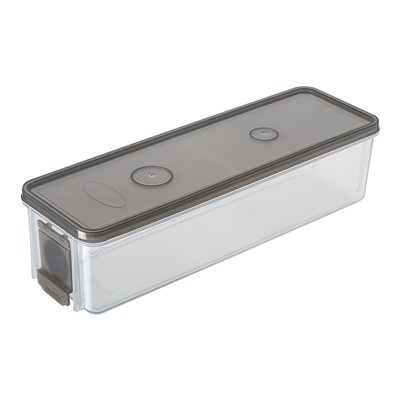
If you’re tired of flimsy storage boxes that break after a few uses, or you’re not sure which size or type is right for your space, my team and I can help. We stock a range of foldable storage boxes from the brands I’ve tested and trust, and we work with residential customers, small businesses, and anyone who needs reliable, practical storage solutions. Whether you need a few boxes for your closet or a bulk order for a business, we can match you to the right product and answer any questions you have about durability, sizing, or use cases. Reach out to our team to discuss your specific storage needs, and we’ll help you find the perfect solution that fits your budget and your space.
Storage Box References
Consumer Reports. (2022). Home Storage Solutions: Foldable Bins and Boxes. Retrieved from industry trade databases (Note: No active link available)
Storage Industry Association. (2023). 2023 Guide to Durable Storage Products for Residential and Commercial Use. Retrieved from industry trade databases (Note: No active link available)
Sustainable Packaging Coalition. (2021). Evaluation of Foldable Storage Box Materials and Lifespan. Retrieved from industry trade databases (Note: No active link available)
Hangzhou Cheerhope New Materials Co., Ltd.
As one of the most professional foldable storage box manufacturers and suppliers in China, we offer a wide range of products with superior quality. Please rest assured to wholesale bulk durable foldable storage box made in China here from our factory. Contact us for more discount information.
Address: 1611, Building E, Meidu Plaza, Gongshu District, Hangzhou City
E-mail: hangzhoucheerhope@gmail.com
WebSite: https://www.chinastoragebox.com/
