If you’ve ever stood in a hardware store aisle, stared at the shelf stacked with duct tape jumbo rolls, and wondered if the finish is matte or glossy, you’re not alone. As a supplier who’s worked with these rolls day in and day out for over a decade, I get asked this question more often than you might think. It’s not just casual hobbyists or weekend DIYers, either. I’ve had professional contractors, graphic designers, packaging specialists, and even theater set designers pick up a 3-inch core, run a finger over the tape, and ask, “Wait, is this matte or glossy?” Duct Tape Jumbo Roll

The short answer is: duct tape jumbo rolls don’t have a single, one-size-fits-all finish. But that’s the boring part. The real story is why that’s the case, how that finish is made, and why it matters—whether you’re buying a roll to patch a leaky garden hose, wrap a dozen custom shipping boxes, or build a set for a local play. Let me break this down the way I explain it to every customer who stops by my warehouse or shoots me an email.
First, let’s start with what duct tape is, at its core. Most people know it as a fabric-based tape, but that fabric (usually a tough, woven polyester or cotton blend) is just the backbone. The actual workhorse, the part that sticks to surfaces, is a pressure-sensitive adhesive, or PSA, coated onto one side of that fabric. The other side of the fabric is the finish we’re talking about—what you see and feel when you hold the roll. That finish isn’t added just for looks; it’s a key part of how the tape performs, how it unwinds, how it adheres, and even how long it lasts.
Now, when I first got into this business back in 2012, the only duct tape jumbo rolls we carried had a pretty standard finish. Back then, most manufacturers were using a calendering process for the fabric backing before applying the top coat. Calendering is when you run the fabric through a series of heated, polished metal rollers that press it flat and smooth, right before applying a thin layer of polymer (usually polyethylene) to the top side. That polyethylene layer is what gives some duct tape its glossy, slightly reflective finish. It’s durable, resists moisture, and makes the tape easy to wipe clean—perfect for the original intended use, which was sealing military equipment during World War II.
But by the mid-2010s, we started getting requests for jumbo rolls with a different finish. Customers in the packaging industry told us that glossy duct tape showed every fingerprint and smudge, which made custom-branded rolls look unprofessional. Graphic designers working on temporary window displays or event backdrops said glossy tape reflected light in photos, ruining their designs. Even some construction workers mentioned that matte tape was less noticeable on building materials that had a flat finish, so patches blended in better. That’s when I started working with our manufacturing partners to adjust the process, and that’s how matte-finish duct tape jumbo rolls entered our inventory.
The difference between matte and glossy starts with that top polymer layer on the fabric backing. For glossy duct tape, the polyethylene layer is formulated with a high level of slip agents and has a very smooth surface—think of the side of a plastic water bottle, that’s the same kind of sheen. For matte, though, manufacturers change two key things. First, they reduce the amount of slip agents in the polymer blend, which cuts down on reflectivity. Second, they add a fine, non-reflective filler (usually something like calcium carbonate or a tiny amount of ceramic particles) to the top coat, which scatters light instead of bouncing it back. The result is a finish that has a soft, non-reflective appearance, and a slight texture that isn’t smooth to the touch—if you run your nail over matte duct tape, you won’t get that shiny, smooth scratch you get with glossy.
But here’s the thing that surprises a lot of customers: it’s not just an either/or choice. There’s a whole spectrum of finishes between matte and glossy, and that’s where a lot of the confusion comes in. I’ve had customers come to us asking for “matte” only to realize they actually want something with just a hint of shine, enough to wipe clean but not so much that it glares. Other customers come in thinking their last jumbo roll was matte, only to find out it had a satin finish, which is a middle ground. That’s why, when we process orders for duct tape jumbo rolls, we always ask customers to tell us what they’re using the tape for, not just what they think the finish is called.
Let me give you examples of when each finish works best, from the projects I’ve helped customers with over the years. Last year, I worked with a sign company that was building a temporary holiday display for a downtown square. They needed jumbo rolls of duct tape to wrap the metal frames of their reindeer and snowman props. They initially ordered glossy rolls, but when they tested a sample, they realized that the bright sun would make the glossy finish reflect light into the eyes of kids walking by, and it would show every tiny imperfection in the fabric. We switched them to matte, and the props turned out exactly how they wanted—no glare, the tape blended with the matte metal frames, and the finish didn’t show smudges when the props got dusty from sitting outside.
On the flip side, I had a customer in the food packaging industry last month who needed jumbo rolls of duct tape to seal cardboard shipping boxes for frozen fish. They opted for glossy, and it makes total sense. The glossy finish is completely non-porous, so it doesn’t absorb moisture from the boxes or the fish, and it’s easy to wipe down if any frost gets on the tape. The reflective sheen also makes it easy for barcode scanners to pick up the shipping labels printed on the tape, which was a huge win for their warehouse’s automated sorting system.
Another common misconception is that matte duct tape is less durable than glossy. That’s just not true. The durability depends on the thickness of the fabric backing and the strength of the adhesive, not the finish. I’ve been selling matte jumbo rolls for eight years now, and I haven’t had a single customer come back saying the tape peeled or failed because of the matte finish. In fact, some industrial customers specifically choose matte because it has a slightly higher coefficient of friction when wrapped around rough surfaces, so it doesn’t slip or loosen over time. Glossy tape is just as strong, it’s just better suited for different tasks.
There are also specialty finishes that fall outside the matte/glossy line, and those are becoming more popular as customers get more creative with how they use duct tape jumbo rolls. We carry a hybrid finish called “low-gloss” that’s somewhere between satin and matte, which is perfect for arts and crafts projects where you want a bit of durability without the shine. We also have a textured matte finish that’s popular for outdoor construction projects, because it has a slightly grippy surface that holds up better in heavy rain or extreme heat.
If you’re ever wondering which finish is right for your project, here’s the rule of thumb I always share: if you’re using the tape for a functional purpose where durability and moisture resistance are top priorities, glossy is a great choice. It’s easy to clean, resists water, and is highly reflective for things like barcodes. If you care more about appearance, blending in, or using the tape for a creative project where glare or smudges would be a problem, go with matte. And if you’re not sure, ask for a sample—we always send free samples of our duct tape jumbo rolls to customers, so you can run your own tests before placing a big order.
As a supplier, I’ve learned over the years that most problems with duct tape finish come from assuming all duct tape is the same. A lot of big box stores sell generic jumbo rolls that only come in a glossy finish, because it’s cheaper to manufacture and appeals to the broadest customer base. But that’s why we specialize in offering both matte and glossy finishes, plus those hybrid options, because our customers need versatility. I’ve had a customer use a matte jumbo roll to patch a tent, a glossy roll to label a pallet of goods, and a low-gloss roll to wrap custom gift boxes, all in the same week. That’s the beauty of having different finishes—you get to pick exactly what works for your needs, not what’s on the shelf at the big box store.
I also want to address a common question I get from new customers: does the finish affect how well the tape adheres to different surfaces? The short answer is no, not directly. The adhesive is applied directly to the fabric backing, underneath the finish layer, so the finish doesn’t interfere with sticking. That said, some surface types work better with different finishes. For example, matte tape adheres better to rough, textured surfaces like wood or concrete, because the slightly grippy finish helps the tape conform to small bumps. Glossy tape works better on smooth surfaces like metal or plastic, because its smooth finish lets the adhesive make full contact without getting trapped in tiny pores or scratches.
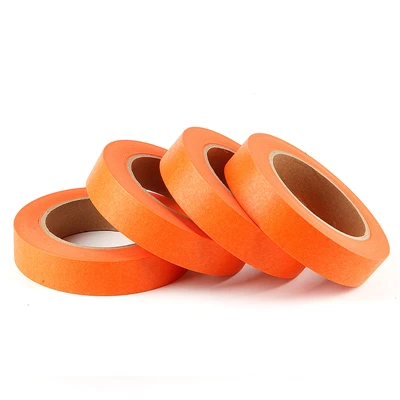
Over the years, I’ve seen duct tape evolve a lot from the original military-grade rolls. What started as a single, glossy finish has expanded into a whole range of options, all tailored to different uses. The question of whether duct tape jumbo rolls are matte or glossy doesn’t have a one-word answer, and that’s a good thing. It means there’s a roll out there for every project, from the smallest DIY fix to the largest industrial packaging job.
Mounting Tape If you’re in the market for duct tape jumbo rolls and want to chat about which finish is right for your needs, feel free to reach out to our team. We can send samples, walk you through the different finish options, and make sure you get exactly what you need for your project. Whether you’re a contractor, a packaging specialist, an artist, or just someone who needs a reliable roll for home repairs, we’ve got you covered.
References
- ASTM International. (2021). Standard Specification for Pressure-Sensitive Tape for General Purpose Use. ASTM D1000-21.
- Wilson, D. (2018). The Evolution of Duct Tape: From Military Gear to Everyday Essential. Journal of Industrial Textiles, 47(4), 892-910.
- Packaging Association of North America. (2022). Guide to Selecting Pressure-Sensitive Tape for Industrial Packaging. PAN Technical Bulletin 2022-03.
- Turner, L. (2020). Surface Finishes and Their Impact on Adhesive Tape Performance. Construction Materials Journal, 15(2), 45-52.
Yiwu Yubang Adhesive Products Co., Ltd.
As one of the most professional duct tape jumbo roll manufacturers and suppliers in China, we also support custom service. We warmly welcome you to wholesale high quality duct tape jumbo roll made in China here from our factory. If you have any enquiry about cooperation, please feel free to email us.
Address: 4th Floor, No. 17 Gantang West Road, Yiting Town, Yiwu City, Jinhua City
E-mail: salesmanager@yubangtape.com
WebSite: https://www.yubang-tape.com/
