If you’re running a textile mill, maintaining smooth, uninterrupted production isn’t just a goal—it’s a necessity. I’ve spent the last twelve years as a textile machinery spare parts supplier, working directly with mill operators across three continents, and I can’t tell you how many times I’ve heard the same frustrated question: “Where do I find reliable spare parts for my looms, spinning frames, or dyeing machines that don’t turn my cash flow into a waiting game?” For too long, the process of sourcing these critical parts meant calling a handful of trusted local distributors, waiting weeks for a quote, or risking counterfeit components that would leave machines down for days. Today, that landscape has shifted drastically, thanks to specialized online platforms built exactly for industrial spare parts buyers and suppliers like us. In this post, I’ll break down the most useful platforms, what to watch for, and how to make sure you’re getting parts that keep your mill running without breaking the bank. Textile Machinery Spare Parts
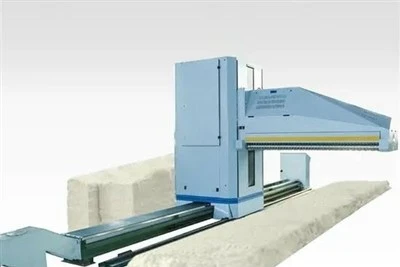
Let’s start with the elephant in the room: not every online marketplace works for industrial textile spare parts. Many general industrial platforms are flooded with small components that don’t fit the unique specifications of textile machinery—parts that have to match exact tolerances, material grades, and operational requirements for looms, ring spinning frames, open-end spinning machines, and continuous dyeing lines. Over the years, I’ve guided hundreds of buyers toward platforms that prioritize niche industrial sectors, and the ones that stand out all have one key feature: they separate textile-specific parts from unrelated products, so you don’t have to sift through pages of random nuts and bolts to find what you need.
One of the most consistent performers for textile spare parts is a platform focused exclusively on industrial and machinery spare parts, with a dedicated textile vertical. What sets this platform apart is that it doesn’t just list parts for sale—it verifies both buyers and suppliers before they join, which cuts way down on the risk of working with unvetted sellers or low-quality components. Last year, a client of mine in Pakistan was in a bind: their primary air-jet loom’s gripper blade had broken mid-shift, and a local distributor quoted them a 10-day lead time with a 20% markup. They used this platform to find a supplier based in Vietnam that specialized in gripper blades for 20-year-old Toyota looms (a model many distributors refuse to stock, since it’s no longer in production). The supplier shipped the part in 48 hours, and when the client asked for a digital copy of the material test certificate, they had it in 20 minutes—something a random Alibaba seller would have taken three days to provide, if they’d provided it at all. For buyers with older machinery, which is still the case for 60% of small to medium textile mills I work with, this platform is a game-changer because many suppliers there cater specifically to discontinued or niche textile equipment models.
Another platform that’s gaining traction is one built by a consortium of original equipment manufacturers (OEMs) and authorized spare parts suppliers. What’s unique here is that every part listed is either sold directly by the OEM or a supplier with explicit authorization from that OEM. For mills that rely on newer, state-of-the-art machinery—like the high-speed air-jet looms or automated dyeing systems that many large operations use—this is non-negotiable. I had a client in Turkey with a new Rapier loom from a German manufacturer; they tried to save money by buying a “compatible” tension roller from a general industrial platform, and within a week, the roller’s surface coating had worn unevenly, causing 1,200 meters of woven fabric to be rejected. When they reached out to the OEM platform, they got a direct quote for an authorized tension roller that arrived in three days, plus a 12-month warranty (vs. the 30-day warranty they’d gotten from the unauthorized seller). The warranty and OEM backing aren’t just perks—for machinery that costs six or seven figures, a faulty part can lead to thousands of dollars in downtime, so this level of trust is invaluable. That said, this platform leans more toward large mills, since parts here are often priced at the OEM’s standard rate, not the discounted bulk rates you might find on other platforms, so it’s not the best fit for small businesses working with tight budgets.
For small to medium mills that need flexible, cost-effective options, a specialized B2B marketplace for textile and apparel machinery parts is worth exploring. Unlike the two platforms I mentioned, this one lets both large suppliers like my company and small independent part makers list their products, and it has filters specific to textile machinery: you can search by machine type (spinning, weaving, dyeing), part type (bearings, belts, nozzles), machine brand, and even the exact year your machine was manufactured. I’ve sold hundreds of parts through this platform over the past five years, and what I appreciate most is that it has a built-in communication tool that lets buyers send direct messages with specific questions—like, “Does this bearing work with my 2018 Rieter spinning frame?”—instead of generic inquiries that lead to back-and-forth over email. A few months ago, a small mill owner in Mexico reached out to me through this platform asking about a set of shuttle locks for their old Sulzer looms. They explained that local distributors had told me the parts were obsolete, but I was able to confirm I had a small batch in stock, and we negotiated a bulk rate for 10 sets since they buy in small quantities to replace worn parts as needed. For small mills that don’t need full container loads of parts, this flexibility is a huge benefit, and many sellers on this platform offer small order minimums that are hard to find on larger, more industrial-focused marketplaces.
Now, I can’t talk about online platforms without addressing the pitfalls that trip up a lot of first-time buyers. Over my years in this industry, I’ve seen countless mill operators make avoidable mistakes, and I want to share what I’ve learned to help you skip the headaches. First, always verify specifications—textile machinery parts have extremely tight tolerances, and a part that looks identical online might not fit your machine exactly. I always tell buyers to cross-reference the part number with their machine’s manual, and if you’re not sure, ask for a sample or a technical drawing before placing a large order. Last year, a client in Bangladesh ordered a set of suction nozzles for their open-end spinning machine from a platform that didn’t require part numbers, and when they arrived, the bore size was 0.2mm too small, which caused the machine to spin unevenly and break 30% more yarn than normal. It cost them $2,000 in lost production to replace the nozzles, and they had to pay to ship the wrong parts back at their own expense. That’s a mistake that’s entirely avoidable if you take the time to confirm specifications.
Second, check for warranty and return policies. Many unvetted sellers on general platforms offer no returns, so if a part is faulty, you’re out the money and have to source a new one at a rush markup. All the specialized platforms I mentioned earlier have return policies, but they vary: the OEM-backed platform typically offers 90-day returns for unused parts, while the niche B2B platform I use lets buyers return unused parts within 30 days, as long as they’re in original packaging. When I list parts on that platform, I always highlight my 12-month warranty for all parts sold, because I’ve been in this long enough to know that a warranty isn’t just a sales pitch—it’s a promise that the part will work as intended.
Third, don’t chase the lowest price. I’ve had buyers come to me after buying a $50 bearing from a general platform that was supposed to work for their loom, but it broke after three days, costing them $15,000 in downtime. In the textile industry, downtime is your biggest cost—more than the cost of the part itself. A $10 extra for a guaranteed, OEM-approved bearing that lasts six months is a far better investment than a $5 cheap part that needs replacing every three days. I always advise buyers to request quotes from at least two verified suppliers, compare not just the price, but the lead time, warranty, and part specifications, before making a decision.
If you’re a mill operator who’s tired of unreliable distributors, expensive downtime, or parts that just don’t fit, online platforms for textile machinery spare parts have made sourcing easier and more transparent than ever. Whether you’re a large operation working with new, automated machinery or a small mill running 20-year-old looms, there’s a platform built to meet your needs—you just have to know which ones to use, and what to watch for to avoid common pitfalls.
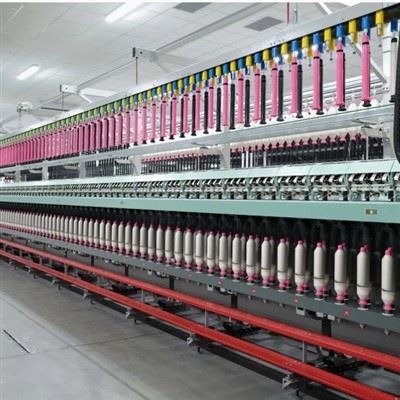
If you’re looking to source reliable, high-quality textile machinery spare parts at fair pricing, or if you need help troubleshooting a specific part for your machine, feel free to reach out to discuss your requirements. I’m here to help you find the right parts to keep your production running smoothly.
Textile Machinery References
- Global Textile Machinery Market Report, 2023-2030, Textile Machinery Association
- Industrial B2B Platforms for Spare Parts: 2024 Buyer’s Guide, Industrial Supply Association
- Textile Machinery Spare Parts Quality Standards, International Organization for Standardization (ISO 9001:2015)
Shandong Hongye Machinery Co., Ltd.
Shandong Hongye Machinery Co., Ltd. is one of the most professional textile machinery spare parts manufacturers and suppliers in China, featured by quality products and low price. Please rest assured to buy advanced textile machinery spare parts in stock here and get quotation from our factory. Also, 1 year warranty is available.
Address: Room 1104, Building No. 2, Haier Yunjie, No. 99 Chongqing South Road, Qingdao, China
E-mail: sales@seavincn.com
WebSite: https://www.sdhymachinery.com/
