In the realm of large – scale industrial production, especially in industries such as mining, construction, and food processing, the choice between a standard vibrating screen and a heavy – duty vibrating screen is a crucial decision. As a seasoned vibrating screen supplier, I’ve witnessed firsthand how this decision can significantly impact production efficiency, cost – effectiveness, and overall operational success. In this blog, I’ll delve into the characteristics of both types of vibrating screens and analyze which one is more suitable for large – scale production. Vibrating Screen

Understanding Standard Vibrating Screens
Standard vibrating screens are the workhorses of many medium – scale production lines. They are designed to handle a wide range of materials, from fine powders to small – sized granules. These screens typically feature a simple and compact design, which makes them easy to install and maintain.
One of the key advantages of standard vibrating screens is their versatility. They can be used in various industries, including chemical, pharmaceutical, and food processing. For example, in the food industry, standard vibrating screens are often used to sift flour, sugar, and other dry ingredients, ensuring a consistent particle size and removing any impurities.
The operating principle of a standard vibrating screen is relatively straightforward. An electric motor generates vibrations, which are transferred to the screen deck. The vibrations cause the material on the screen to move in a circular or elliptical motion, allowing the smaller particles to pass through the screen openings while the larger particles are retained on the surface.
In terms of cost, standard vibrating screens are generally more affordable than their heavy – duty counterparts. This makes them an attractive option for small to medium – sized businesses or those with budget constraints. Additionally, their lower energy consumption also contributes to long – term cost savings.
However, standard vibrating screens do have their limitations. They are not designed to handle large volumes of heavy or abrasive materials. The screen decks of standard vibrating screens are often made of thinner materials, which can wear out quickly when exposed to high – impact materials. Moreover, their processing capacity is relatively limited compared to heavy – duty vibrating screens, which can be a bottleneck in large – scale production.
Exploring Heavy – Duty Vibrating Screens
Heavy – duty vibrating screens, on the other hand, are specifically engineered to handle the toughest and most demanding screening applications. These screens are built to withstand high – intensity vibrations, heavy loads, and abrasive materials, making them ideal for large – scale production in industries such as mining, quarrying, and metallurgy.
The construction of heavy – duty vibrating screens is robust and durable. They are typically equipped with thick – gauge screen decks and heavy – duty frames, which can resist the impact of large rocks, ores, and other bulky materials. For instance, in a mining operation, heavy – duty vibrating screens are used to separate different sizes of ore particles, ensuring that only the desired size fractions are fed into the next stage of the processing plant.
One of the main advantages of heavy – duty vibrating screens is their high processing capacity. They can handle large volumes of material in a short period of time, which is essential for large – scale production. The powerful vibration motors used in these screens can generate strong vibrations, which effectively separate the materials and increase the screening efficiency.
Another benefit of heavy – duty vibrating screens is their reliability. They are designed and built to operate continuously for long periods without breakdowns, minimizing production downtime. This is particularly important in industries where any interruption in the production process can result in significant financial losses.
However, heavy – duty vibrating screens also come with some drawbacks. They are more expensive to purchase and install compared to standard vibrating screens. The high – power motors used in these screens also consume more energy, which can increase the operational costs. Additionally, their larger size and heavier weight may require more space and a stronger foundation for installation.
Comparing Standard and Heavy – Duty Vibrating Screens for Large – Scale Production
When it comes to large – scale production, several factors need to be considered to determine whether a standard or a heavy – duty vibrating screen is more suitable.
Material Characteristics
The type of material being screened is one of the most important factors. If the material is lightweight, non – abrasive, and has a relatively uniform particle size, a standard vibrating screen may be sufficient. For example, in a plastic manufacturing plant, a standard vibrating screen can effectively separate different sizes of plastic pellets.
On the other hand, if the material is heavy, abrasive, or contains large chunks, a heavy – duty vibrating screen is the better choice. In a quarry, where large rocks need to be screened into different sizes, a heavy – duty vibrating screen can handle the high – impact material and ensure efficient screening.
Production Capacity
Production capacity is another critical factor. Standard vibrating screens are generally suitable for medium – scale production with a relatively low to medium throughput. If the production requirement is high and a large volume of material needs to be screened per hour, a heavy – duty vibrating screen is necessary. For example, a large – scale cement plant requires a high – capacity screening solution to separate the cement particles, and a heavy – duty vibrating screen can meet this demand.
Operational Environment
The operational environment also plays a significant role. In a clean and well – controlled environment, such as a pharmaceutical factory, a standard vibrating screen can operate effectively. However, in harsh and dusty environments like mines or construction sites, a heavy – duty vibrating screen is better equipped to withstand the tough conditions and maintain its performance.
Cost – Effectiveness
Cost – effectiveness needs to be carefully evaluated. While standard vibrating screens are cheaper upfront and have lower energy consumption, they may not be able to meet the production requirements in large – scale operations. In the long run, the higher processing capacity and reliability of heavy – duty vibrating screens can offset their higher initial cost. For example, in a large – scale iron ore mining project, the investment in a heavy – duty vibrating screen can lead to increased productivity and reduced downtime, resulting in overall cost savings.
Conclusion
In conclusion, the choice between a standard and a heavy – duty vibrating screen for large – scale production depends on a variety of factors, including the material characteristics, production capacity, operational environment, and cost – effectiveness. While standard vibrating screens offer versatility and cost – efficiency for medium – scale operations, heavy – duty vibrating screens are the preferred option for large – scale production in industries dealing with heavy and abrasive materials.
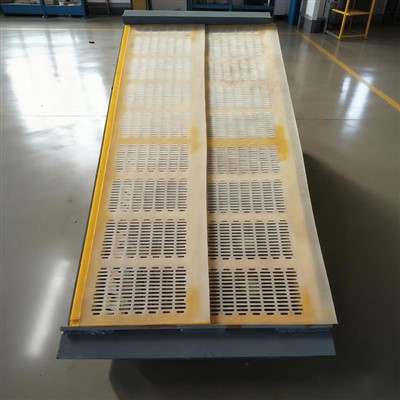
As a vibrating screen supplier, I understand that every production process is unique, and I am committed to helping our customers make the right choice. Whether you need a standard vibrating screen for a small – to – medium – sized project or a heavy – duty vibrating screen for large – scale production, we have the expertise and products to meet your needs.
Vibrating Screen If you are interested in learning more about our vibrating screen products or have any questions about which type of screen is best for your production process, I encourage you to contact us for a detailed consultation. We look forward to discussing your requirements and finding the most suitable solution for your business.
References
- "Vibrating Screen Handbook" by the Society for Mining, Metallurgy & Exploration
- "Industrial Screening Technology" published by the Institute of Chemical Engineers
- Research papers on vibrating screen technology in journals such as "Minerals Engineering" and "Chemical Engineering Journal"
Xinxiang Fengda Machinery Co., Ltd.
We’re well-known as one of the leading vibrating screen manufacturers and suppliers in China, specialized in providing high quality customized service for global clients. We warmly welcome you to buy high-grade vibrating screen made in China here from our factory.
Address: No.16 Wangguanying Village, Kangcun Town, Huojia County, Xinxiang City, Henan Province, China
E-mail: xxfdjx@163.com
WebSite: https://www.flipflowscreen.com/
