If you’ve ever turned the key on a two wheeler at 7 a.m., ready to hit the commute, you’ve probably never stopped to think about the two small metal posts sticking out of the bottom of your bike’s battery—unless, of course, one of them has leaked on your wallet or left you stranded on the side of the road. As someone who’s spent 12 years as a two wheeler battery supplier, I can tell you these terminals aren’t just random sticking points for your jumper cables. They’re the unsung workhorses that make every twist of the throttle, every blip of the turn signal, and every blink of the headlight possible. Let’s break down exactly what positive and negative terminals do, why they matter more than most riders realize, and how understanding their role can help you extend your battery’s life—something every two wheeler owner can get behind. Two Wheeler Battery
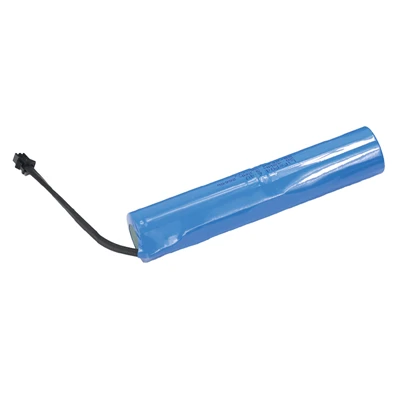
First, let’s get the basics right, no confusing jargon, I promise. Every lead-acid two wheeler battery— the kind 9 out of 10 bikes on the road use today—works by converting chemical energy into electrical energy. That conversion doesn’t happen by accident. It relies on a closed electrical circuit, and that circuit starts and ends at those two terminals. The positive terminal, almost always marked with a red cap or a + sign, is the exit point for electrons. The negative terminal, usually black with a – sign, is the entry point. It’s a one-way street, but not in a way that’s restrictive—it’s structured to get electricity exactly where it needs to go, without wasting energy or damaging parts. A lot of riders mix these up, I’ve seen it a hundred times. Hook the jumper cables up backwards, and suddenly your bike’s ECU (that tiny computer that runs everything) fries itself. That’s not a myth, that’s a $500 mistake that starts with not respecting what each terminal does.
Let’s dive a little deeper into the science, because it’s not just about direction—it’s about chemical reactions inside the battery. The core of a standard two wheeler battery is a series of lead plates dipped in sulfuric acid solution, called electrolyte. The positive terminal connects to lead dioxide plates, and the negative connects to pure lead plates. When the battery is discharging—meaning it’s powering your bike while you ride—sulfate from the electrolyte sticks to both sets of plates. The positive terminal pulls electrons from the positive plates to send out into the circuit, and the negative terminal pushes electrons from its plates to replace them, creating a steady flow of current. That flow is what powers the starter motor, turns on the lights, and keeps the battery topped up when you’re idling. When you charge the battery, the process reverses: the alternator on your bike pushes electrons back into the negative terminal, and pulls them from the positive terminal, stripping the sulfate off the plates so they can go back to working properly. This back-and-forth is what gives a two wheeler battery its life cycle, and every step depends on the terminals doing their job.
Now, here’s where I can speak from experience as a supplier. I see so many batteries come back to our warehouse after 18 months that should last 3, or even 5, years, all because riders neglect their terminals. It’s not that the plates are bad, or the electrolyte is low. It’s corrosion. Terminals get covered in a white, chalky gunk that’s a mix of lead sulfate and acid residue that leaks out over time. This gunk acts like an insulator, blocking the flow of electrons between the battery and the bike’s wiring harness. I once had a customer bring in a brand new battery, less than 6 months old, that his bike wouldn’t start. We pulled it off and tested it, and it was 100% good. The problem? The positive terminal was so corroded that not enough electricity was getting to the starter motor. He’d never cleaned it, never checked it, because he thought terminals were just for looks. That’s a easy fix, but it’s one most two wheeler owners don’t know about. Properly maintained terminals can add years to a battery’s life, which saves riders money—and saves us from having to replace batteries prematurely, which is good for everyone, from the rider to the environment.
Another common mistake I see is people using generic jumper cables, or not matching terminals correctly when they replace a battery. When you install a new two wheeler battery, it’s critical that you connect the positive terminal first, then the negative. Why? Because if you touch a metal tool to the frame of the bike while you’re connecting, and the tool is already touching the negative terminal, you’ll create a short circuit between the positive terminal and the frame. That can spark, damage wiring, or even injure someone. I tell every customer who buys a battery from me to watch the tutorial I send in their order confirmation email: connect red to the + side first, then black to the – side. And when you disconnect, do the opposite: take the negative off first, then the positive. That simple step prevents short circuits, and it’s all because of the role the two terminals play in that closed circuit. It’s not rocket science, but it’s something that trips up a lot of new riders, and even some older ones who haven’t replaced a battery in a decade.
Let’s also talk about why two wheeler batteries have smaller terminals than car batteries, and why that matters. A car battery has to power a big starter motor that turns a 3,000 pound engine, so its terminals are thick and built to carry a huge current. A two wheeler battery is smaller, lighter, and has a much lower current draw—so its terminals are compact, but they have to be precise. That’s why cheap, generic battery terminals (the ones some riders try to add on themselves) are a bad idea. They don’t fit snugly, they don’t make a solid connection, and they create resistance. Resistance is the enemy of electrical flow. If there’s even a tiny gap between a terminal and the wiring post, you lose power, and that gap can generate heat. I’ve seen wires melt because a rider tried to save a few bucks on aftermarket terminals that didn’t seat properly. As a supplier, I only work with batteries that have precision-machined terminals, designed specifically for two wheelers, because I know that even the best chemistry inside is useless if the terminals can’t do their job right.
Wait, let’s address a question I get all the time: do terminals ever go bad, or is it just corrosion? The answer is a little of both. Over time, the lead in the terminals wears down, especially if you’re regularly yanking jumper cables on and off, or if corrosion eats away at the metal. When a terminal gets thin or pitted, it can’t make a solid connection, no matter how much you clean it. That’s when you need to replace the terminal, not just the battery. I stock terminal repair kits for exactly this reason—we don’t want a rider to have to buy a whole new battery just because their terminal is worn out. It’s a small add-on, but it’s one that makes a big difference for riders who want to get the most out of their investment.
Another point that’s often overlooked: the role terminals play in battery safety. When a battery is working properly, the flow of electrons is contained inside the circuit. But if a terminal is damaged, or if there’s a short between the two terminals, that flow becomes unregulated. That can cause the battery to overheat, leak acid, or even vent hydrogen gas, which is flammable. I remember a time a few years back, a rider brought in a battery that had swollen up so bad it was bulging out of its case. We tested it, and the terminals had been bent by a previous jumper cable job, so they were touching each other through a thin layer of corrosion. The short circuit inside the battery caused it to overheat, and it almost ruptured. That’s a scary scenario, and it’s 100% preventable by checking your terminals regularly, making sure they’re not bent, and that they’re not corroded.
Now, let’s tie this all back to why this matters for you, the two wheeler rider. You don’t need a physics degree to keep your battery running well. You just need to remember: terminals are not just markings. They’re the gateway for every bit of electricity your battery produces. Corrosion is their biggest enemy, so clean them every 6 months with a baking soda and water mix (just a teaspoon of baking soda in a cup of water, a toothbrush to scrub, and dry them thoroughly before reconnecting). Always connect positive first, negative second, when installing a new battery. Don’t use cheap aftermarket terminals—get ones made for two wheelers, sized to fit your battery exactly.
As a two wheeler battery supplier, my job isn’t just to sell you a battery. It’s to make sure that battery works for you, for as long as possible, and that you understand how to take care of it. I’ve been in this business long enough to know that the best batteries in the world won’t work if their terminals are neglected. So many riders focus on the size of the battery, its cold cranking amps, or its warranty, and they forget the small parts that make it all function. The terminals are the bridge between the battery and your bike, and a strong, reliable bridge means a reliable ride.

If you’re in the market for a new two wheeler battery, or you have questions about maintaining the one you have, I’d love to chat. We’ve got a range of batteries for every make and model, from scooters to motorcycles, built with precision terminals designed to last. Just reach out to our team to discuss your needs—we’re here to help you keep your ride going, one terminal at a time.
Home Storage Battery References
- Linden, D., & Reddy, T. B. (2002). Handbook of Batteries (3rd ed.). McGraw-Hill Education.
- US Department of Energy. (2021). "Battery Basics: Lead-Acid Batteries for Transportation." Office of Energy Efficiency & Renewable Energy.
- Society of Automotive Engineers. (2019). "Electrical System Design for Two-Wheelers." SAE International Journal of Passenger Cars – Electrical and Electronic Systems.
- Battery University. (2022). "Understanding Battery Terminals and Connection Points." Cadex Electronics Inc.
Zhuhai Greaton Electronic Technology Co., Ltd.
As one of the most professional two wheeler battery manufacturers and suppliers in China, we have world-leading production equipment and strong manufacturing capabilities. Please rest assured to wholesale advanced two wheeler battery in stock here from our factory. Customized orders are welcome.
Address: 2nd Floor, Building A3, No. 6, Liulu, Xinqing Science and Technology Industrial Park, Jing’an Town, Doumen District, Zhuhai City
E-mail: wangchen1@psbattery.cn
WebSite: https://www.cngreaton.com/
